





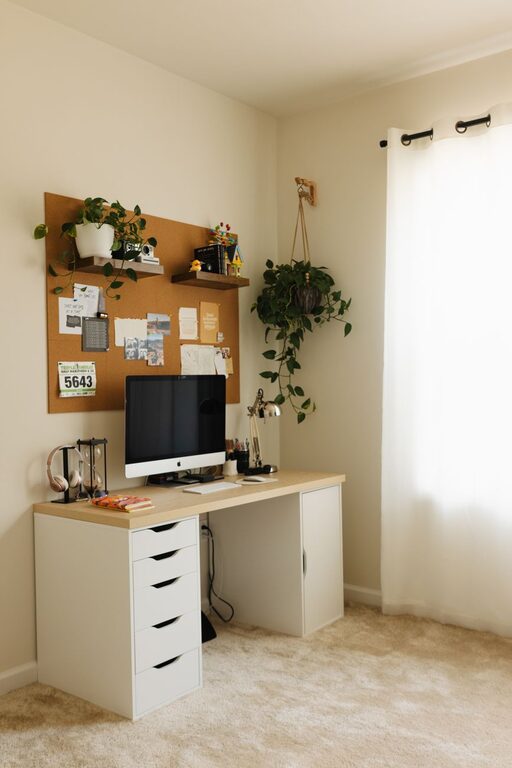
Creating a cozy and inviting home office space can make a significant difference in your daily work routine. Whether you’re working remotely full-time or just need a dedicated space for occasional tasks, a well-designed office can enhance focus, reduce stress, and inspire creativity. This guide offers practical tips to help you set up a comfortable and welcoming home office that suits your personal style and work needs.
1. Choose the Right Location
Your home office’s location forms the foundation of its comfort and functionality. Ideally, pick a quiet area with minimal distractions. If possible, select a room with ample natural light, as sunlight can boost your mood and energy levels.
Consider these points:
– Near a window for natural light
– Away from high-traffic areas
– Close to necessary power outlets
– Enough space for your desk and storage needs
2. Invest in Comfortable Furniture
Comfort is key when you’re sitting for long hours. Choosing ergonomic furniture can support good posture and reduce strain.
Must-have furniture items include:
– Ergonomic chair: Provides lumbar support and adjustable features
– Spacious desk: Offers enough surface for your computer, stationery, and other essentials
– Storage units: Shelves, filing cabinets, or drawers to keep your space tidy
If space allows, consider a small side table or additional seating for breaks or meetings.
3. Personalize with Warm and Soothing Colors
The colors you choose can greatly influence how inviting your office feels. Warm, neutral shades such as soft creams, gentle grays, or light browns create a calm atmosphere.
Tips for color selection:
– Use muted tones on walls to avoid distractions
– Add pops of color through accessories like cushions, artwork, or rugs
– Select colors that promote relaxation and focus, such as blues or greens
4. Optimize Lighting for Comfort and Productivity
Good lighting is crucial for reducing eye strain and maintaining alertness. A combination of ambient, task, and accent lighting works best.
Lighting recommendations:
– Ambient lighting: Overhead lights or ceiling fixtures that illuminate the entire room
– Task lighting: Adjustable desk lamp focused on your work area
– Accent lighting: Small lamps or LED strips to create warmth and depth
Whenever possible, maximize natural light during the daytime by keeping windows clear and using light, airy curtains.
5. Keep Your Desk Organized
Clutter can hinder concentration and increase stress. Developing an organized workspace helps you stay focused and feel calm.
Organization tips:
– Use drawer organizers, trays, or boxes for stationery
– Limit desktop items to essentials only
– Employ cable management tools to prevent tangled cords
– Keep paper documents in labeled folders or scan them digitally
Try to declutter regularly, especially before and after work hours.
6. Add Personal Touches
Personal elements make your office feel welcoming and uniquely yours. They can also serve as sources of inspiration and joy.
Ideas include:
– Framed photos of loved ones or scenic views
– Artwork or inspirational quotes
– Plants or flowers to bring greenery and fresh air
– Favorite souvenirs or meaningful objects
Be mindful not to overcrowd the space; choose a few items that brighten your mood.
7. Incorporate Nature and Greenery
Bringing nature indoors can improve air quality and create a serene environment. Even small plants can have a big impact.
Suggestions:
– Easy-care succulents or snake plants
– Fresh flowers in small vases
– A small indoor herb garden, if you have enough light
Place plants where they won’t obstruct your work but are visible enough to enjoy.
8. Use Soft Textiles for Warmth
Soft textiles add texture and warmth, making your office feel cozy.
Consider these additions:
– Area rugs to soften hard floors
– Cushions or throws on chairs
– Curtains or blinds with fabric textures
These elements can also help with sound absorption in larger or echo-prone rooms.
9. Create Zones for Different Activities
If your home office serves multiple purposes, like meetings, creative brainstorming, or relaxation, create specific zones.
Examples:
– A main desk area for focused work
– A comfortable chair or small sofa for reading or phone calls
– A small table for planning or sketching
Defining zones helps your brain switch between tasks more effectively.
10. Pay Attention to Sound
Noise distractions can disrupt your workflow. Consider ways to minimize unwanted sounds or add pleasant background noise.
Sound management tips:
– Use rugs and curtains to reduce echoes
– Try noise-canceling headphones if needed
– Play soft instrumental music or white noise for concentration
If neighbors or street noise are issues, adding weather stripping to windows and doors can help.
Final Thoughts
Designing a cozy and inviting home office is about balancing comfort, functionality, and personal style. By thoughtfully setting up your workspace, you can enjoy a pleasant environment that supports productivity and wellbeing. Start with the basics of location and lighting, add comfortable furniture, and personalize your space with colors, plants, and decorative touches. With these tips, your home office will be a place you look forward to spending time in every day.



More Stories